The Operating Track And Applied Load If Miniature Ball Bearings
There is a certain relationship between the operating track of ball bearings and applied loads. A ball bearing is a common mechanical component used to support rotating shafts and reduce friction and wear.nnThe track of a ball bearing is affected by multiple factors, including the size, shape, material and motion direction of the balls. The motion track of balls inside a bearing is usually irregular because the contact points between the balls and the inner and outer races of the bearing keep changing. Nevertheless, the track of a ball bearing is generally smooth to maintain the stable movement of the shaft.nn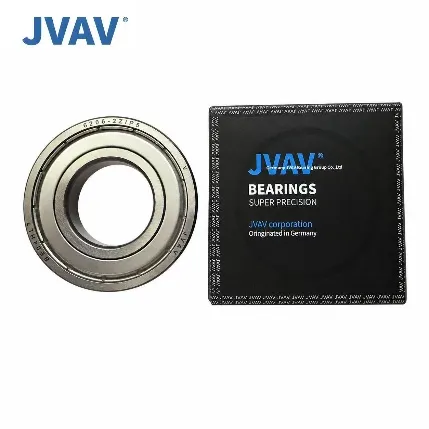 nnApplied load refers to the external force or torque exerted on a ball bearing. The magnitude and direction of the applied load will affect the track and motion state of the ball bearing. Under the action of applied load, the contact points between the balls and inner/outer races inside the ball bearing will change, resulting in deformation of the track.nnExcessively high or low applied loads may adversely affect the operating track of the ball bearing. An excessively high applied load may overload the ball bearing, increase wear and friction, and may even cause bearing failure. An excessively low applied load may prevent the ball bearing from fully performing its supporting function and impair the performance of mechanical equipment.nnTherefore, in practical applications, it is necessary to determine the appropriate applied load according to the design and service conditions of the ball bearing. In general, ball bearing manufacturers provide recommended load ranges to guide users in proper bearing operation. Meanwhile, regular inspection and maintenance of ball bearings shall be performed during service to ensure normal operation and service life.nn